
33 The Straight Ave, Pine Slopes AH, Sandton, 2194


Traditional dialysis services are often facility-bound and schedule-restricted. Nexus Medical Care was established to provide a more flexible and responsive approach.
We provide:
This approach allows patients and families to access dialysis care without unnecessary delay, while maintaining clinical standards.

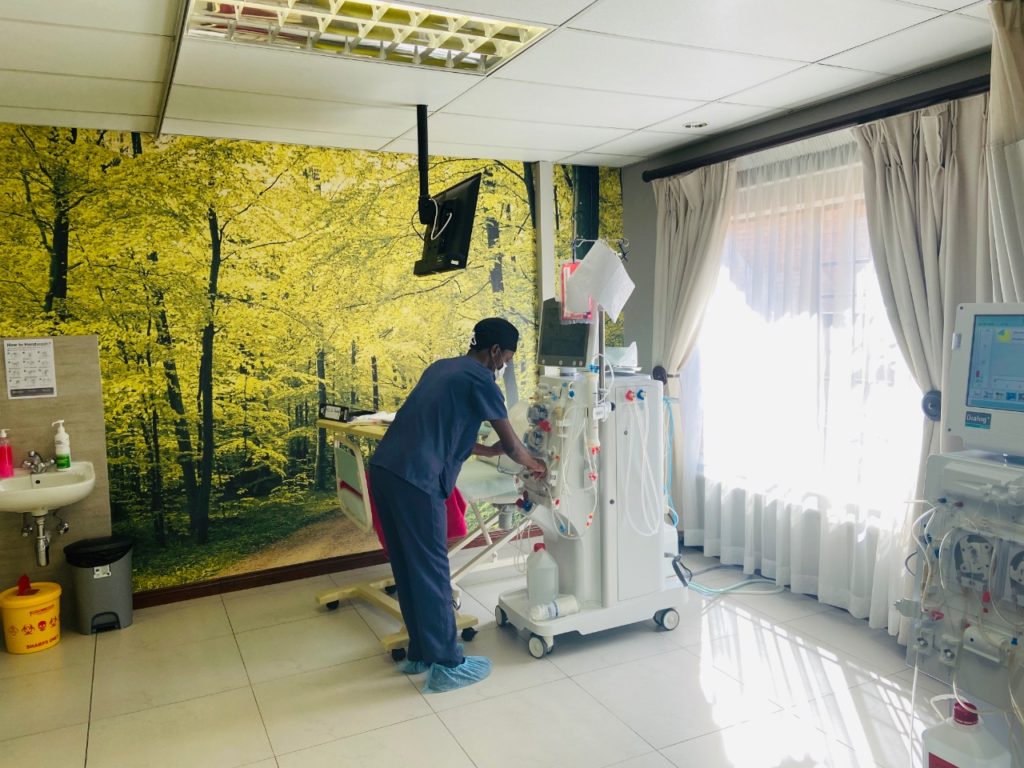

Nexus Medical Care specialises exclusively in dialysis treatment for kidney failure patients. Our care model allows patients to receive dialysis either at home or within a hospital setting, depending on clinical needs and suitability.
Dialysis provided in the comfort of the patient's home following a full clinical assessment.
Speak to a Dialysis Practioner24-hour dialysis support for patients requiring treatment in a hospital environment.
Speak to a Dialysis PractionerClear, accessible education for patients and families navigating kidney disease and dialysis care.
Speak to a Dialysis PractionerThis facility provides a structured dialysis environment for patients who prefer or require treatment outside the home.
Speak to a Dialysis PractionerHome visit and clinical assessment * not included for in-centre dialysis treatment
Medical aid authorisation support
Admission and onboarding
Dialysis treatment and ongoing care


Thank you HOSPICARE renal for your love and care to all your patients you are a awesome team, I will recommend you to all. Delmaine and Thabani and all staff you are fantastic.


Sadly my father in law passed away on Tuesday. Thank you for all you Dr Thabani , Delaine and team did for him even up to the very end. You have hearts of gold.


Hospicare Dialysis Centre is really the best Centre that I have attended. It is really for young and the not so young. I was for many years at Fresenius. I felt like a number.
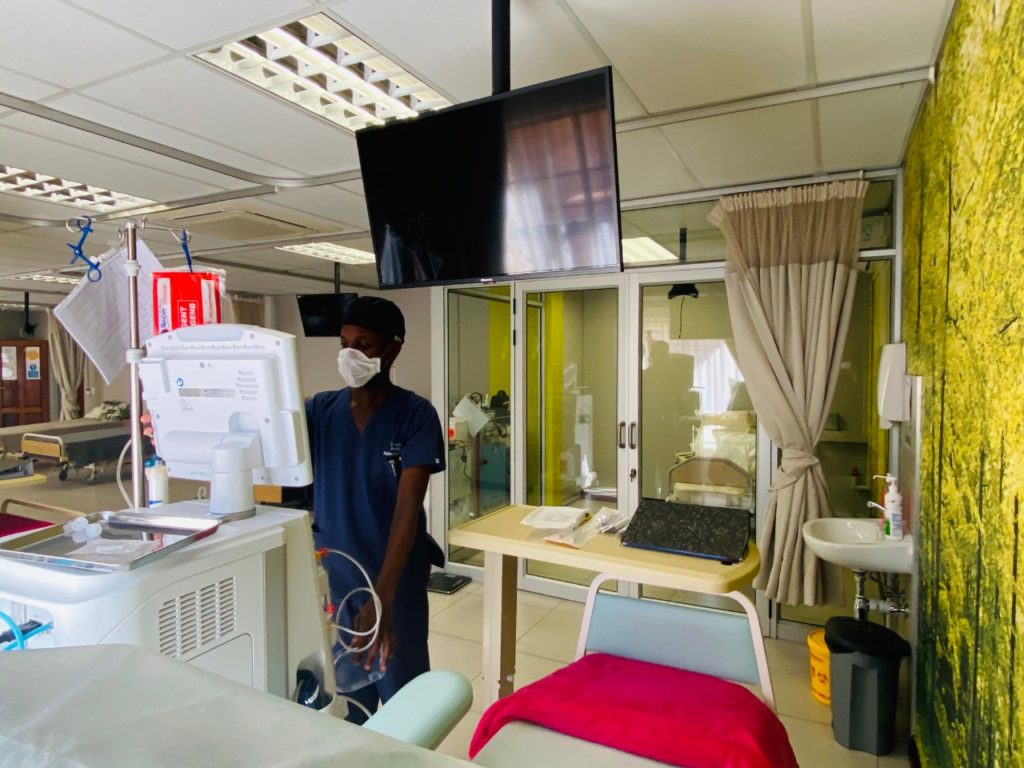
Dialysis is a medical treatment that helps remove waste products and excess fluids from your blood when your kidneys are no longer functioning properly. You need dialysis because your kidneys are unable to adequately perform this essential function.
The frequency of dialysis sessions can vary but is typically three times a week for haemodialysis and daily for peritoneal dialysis. Your healthcare team will determine the most appropriate schedule for you.
While dialysis can be a lifesaving treatment, it may have side effects such as low blood pressure, fatigue, muscle cramps, and itching. Complications like infections and access site issues can also occur,but your healthcare team will monitor and address these as needed.
Yes, many dialysis patients continue to work and travel. It may require some planning and coordination with your treatment schedule, but it is possible. Discuss your plans with your healthcare team to ensure a smooth transition.
Kidney transplantation is a potential option for many dialysis patients. Your healthcare team will assess your eligibility and guide you through the transplant evaluation and waiting process.
There are two main types of dialysis: haemodialysis and peritoneal dialysis. The choice between them depends on your medical condition, lifestyle, and your doctor's recommendation. They will discuss the most suitable option for you.
In haemodialysis, blood is filtered through a machine for about 3-4 hours. In peritoneal dialysis, a special fluid is introduced into your abdomen and later drained, usually in multiple exchanges throughout the day and night. Your medical team will explain the process in detail.
You'll likely need to make dietary adjustments, control your fluid intake, and manage your medications. You may also need to adjust your daily routine to accommodate dialysis sessions and doctor's appointments.
Many resources, including support groups, educational materials, and financial assistance programs, are available for dialysis patients. Your healthcare team can provide information and connect you with these resources.
Maintaining good overall health includes following your treatment plan, eating a kidney friendly diet, staying active within your limitations, and managing other health conditions like diabetes and high blood pressure.
It's important for new dialysis patients to have open and regular communication with their healthcare team to address any questions or concerns they may have as they adapt to this significant life change.
Emergency response and escalation are supported through ER24 as part of our patient safety framework.